There is no optimum temperature as the ability to cope with heat or cold varies from person to person.

Fast Relief Remedies & Quick Cures
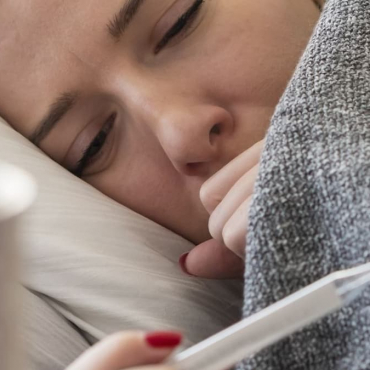
There is no optimum temperature as the ability to cope with heat or cold varies from person to person.
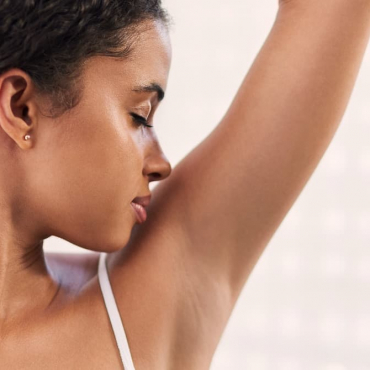
Regular showers or baths are the first step in combating body odour followed closely by clean clothes and underwear. Using an antiperspirant or deodorant will also help keep sweating at bay.
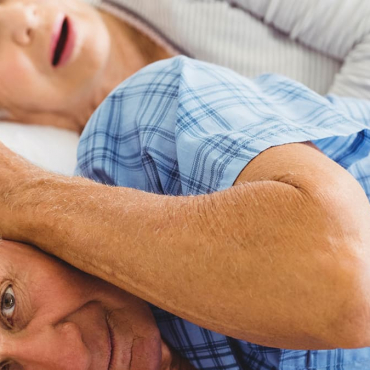
A snorers uvula and soft palate – the tissue at the back of the throat – relax and vibrate during sleep.
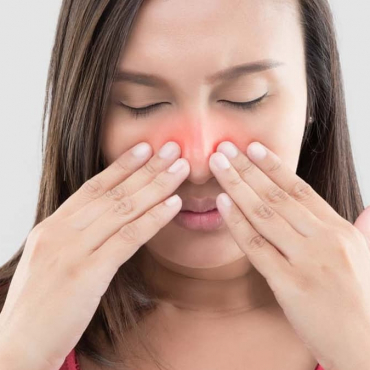
Sinuses usually flare up in the winter when the mucus in the nose dries up, and particles going through the nose get thick and sticky. Here’s how to help stop the problem.
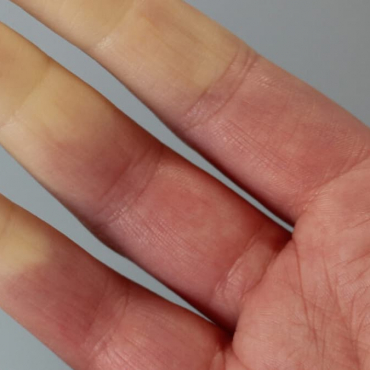
Raynaud’s disease causes blood vessels in the hands and feet to suddenly constrict, slowing circulation and making fingers and toes turn blue with cold.
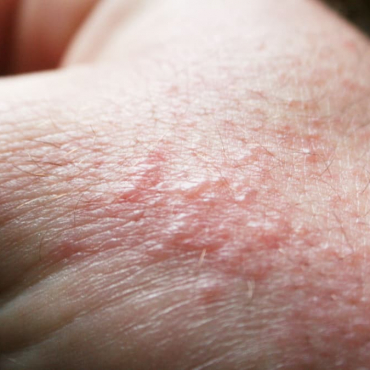
If you think you have come into contact with Poison Ivy here is how to stop its active ingredient, urushiol, from taking effect.
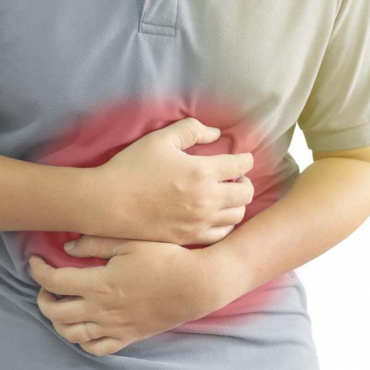
The most common symptoms of a peptic ulcer are indigestion or heartburn. Other symptoms are nausea and vomiting, loss of appetite, or black, tarry stools. If you have any of these symptoms it’s important to see a doctor.
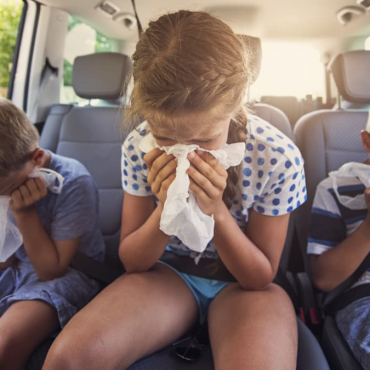
Car-sick, sea-sick or air-sick the symptoms of motion sickness are typically light-headedness, pallor, sweating, queasiness, then nausea and vomiting. When you first feel queasy try the following hints for relief.

Going through the change can be a pain, literally, as you succumb to headaches, night sweats, hot flushes and irritability.
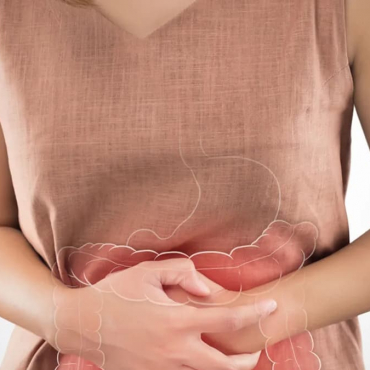
Many doctors believe Irritable Bowel Syndrome (IBS) is caused by today’s high-paced, stressful lifestyles, however there are things you can do to relieve the cramps, bloating, nausea, and alternating bouts of diarrhoea and constipation that accompany IBS.